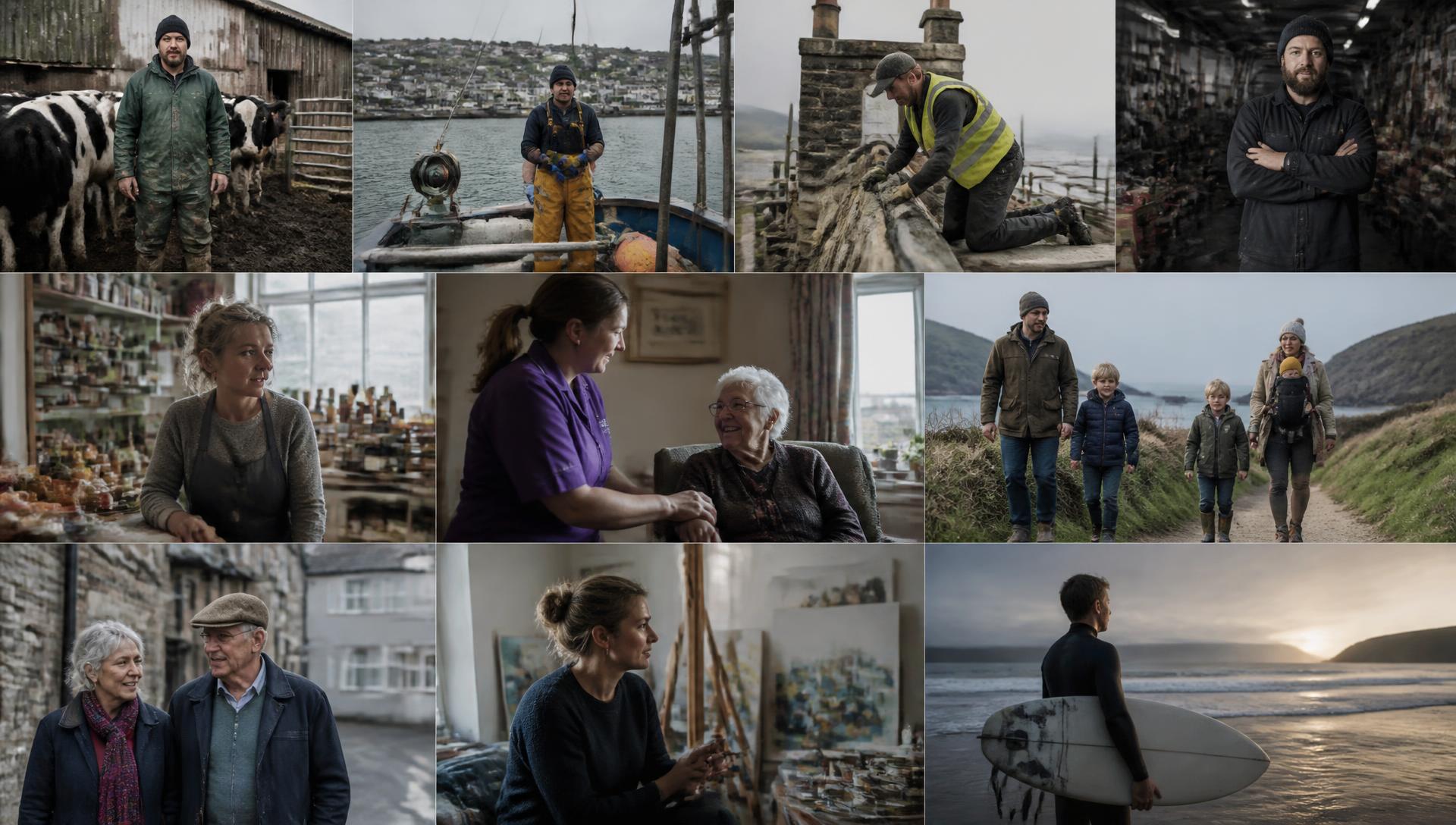
A cross section of Cornish life: farmers, fishermen, tradespeople, shopkeepers, carers, families, makers and surfers

Cornwall in Numbers

People of
Cornwall

Nearly 600,000 people. Thousands of businesses. One extraordinary county.

Cornwall is shaped by its people: families, farmers, tradespeople, entrepreneurs, carers, creators, hospitality workers, engineers, young people and generations of Cornish communities. Behind every statistic is a person, a family, a livelihood and a story.

The big number

0

People call Cornwall and the Isles of Scilly home

ONS population estimate, 2025 · Cornwall and the Isles of Scilly
283,519 male · 48.3%51.7% · 303,562 female

Roughly 103 women for every 96 men, approximately 20,000 more women than men in the resident population.

0

Cornwall Census population

Census 2021 · Cornwall only, excludes the Isles of Scilly

+0.0%

Population growth 2011 to 2021

Census 2011 and 2021

Cornwall is steadily approaching a population of 600,000.

Age of Cornwall

Cornwall is older than England

Cornwall has a significantly older population than England overall, creating both opportunities and challenges for healthcare, social care, housing, transport, employment and local services.

0

Median age in Cornwall

Census 2021

47

Cornwall

44

South West

40

England

0

Working age population, 16 to 64

57.9% working age share

ONS, 2025 · Cornwall and the Isles of Scilly

Change 2011 to 2021

Aged 65 and over+25.1%
Aged 15 to 64+1.7%
Under 15+4.3%
Census 2011 and 2021

Cornish identity

Heritage, language, place and community

Cornish identity is an important part of Cornwall's cultural and community landscape.

0

People identified as Cornish

18.1% of Cornwall's population

Census 2021

Across England and Wales, 117,350 people identified as Cornish through one or more of the national identity, ethnicity or main language questions. Around 88% of them lived in Cornwall.

Heritage
Community
Language
Place
Culture
Identity

Ethnicity and diversity

Cornwall's ethnic profile

Cornwall remains significantly less ethnically diverse than England as a whole, while diversity has gradually increased.

96.8%

White

  • White96.8%
  • Mixed / Multiple1.2%
  • Other ethnic groups1.1%
  • Asian / Asian British / Asian Welsh0.7%
  • Black / Black British / Caribbean / African0.2%
Census 2021 · Cornwall

A county of communities

Not one city. Hundreds of communities.

Cornwall's population is spread across towns, villages, coastal communities and rural settlements rather than concentrated within one major city.

TruroFalmouthCamborneRedruthPenzanceNewquaySt AustellBodminHelstonWadebridgeLiskeardSaltashLauncestonBudeSt IvesHayle

approximately 3,550 km²

approximately 1,370 square miles
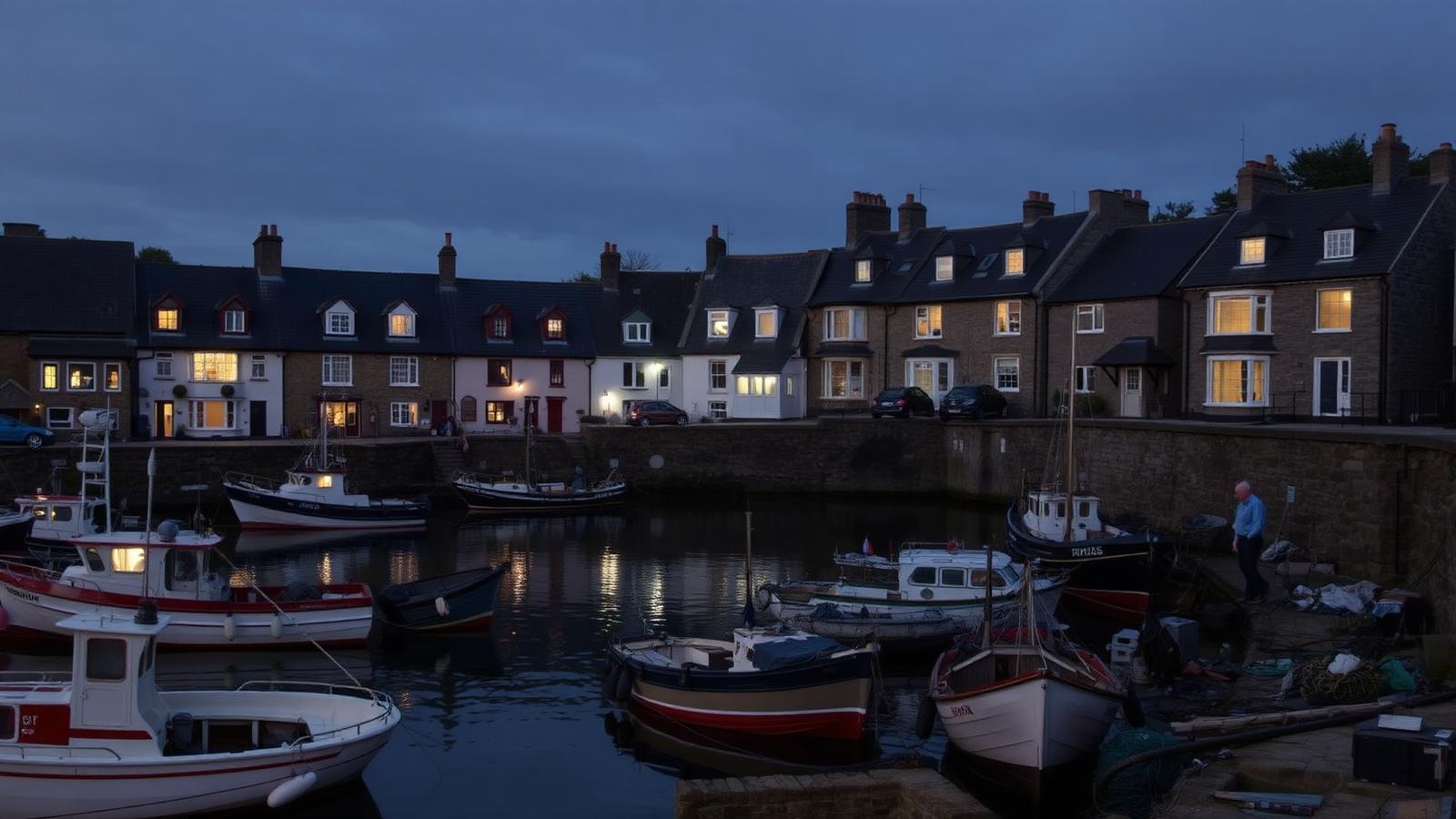
Providing buses, health services, social care, broadband, schools and ambulance cover to a population spread along a long peninsula is fundamentally different from providing them in one compact city. At Census 2021 Cornwall was among the least densely populated 15% of English local authority areas.
A working Cornish harbour at dusk with fishing boats and lit cottages

Cornwall works

How Cornwall works

Self employment is a defining feature of Cornwall's economy.

0

Jobs in the economy

2024 · Cornwall and the Isles of Scilly

0

People in employment

0

Employees

0

Economically active

0.0%

Employment rate

0.0%

Unemployment

0

Unemployed

ONS Annual Population Survey, April 2025 to March 2026 · Cornwall and the Isles of Scilly

A defining feature

0

Self employed people · 14.6% of people aged 16 to 64

Cornwall14.6%
South West11.2%
Great Britain9.3%

Male self employment 16.3%, female self employment 13.0%. Cornwall's self employment rate is approximately 57% higher than the Great Britain rate.

ONS Annual Population Survey, April 2025 to March 2026

The independent business county

Cornwall is built on small business

Cornwall is overwhelmingly an independent, small business and entrepreneurial economy.

0

Registered enterprises · approximately 29,950 local business units

UK Business Counts, 2025 · Cornwall and the Isles of Scilly

22,655

Micro businesses · 0 to 9 employees

88.7%

2,505

Small businesses · 10 to 49 employees

9.8%

325

Medium businesses · 50 to 249 employees

1.3%

65

Large businesses · 250+ employees

0.3%

0.0%

Of Cornwall's enterprises employ fewer than 50 people

Behind these numbers are thousands of family businesses, tradespeople, makers, farmers, shops, hospitality businesses, professionals and self employed people.

What people do

Employee jobs by sector

Retail, hospitality and health and social care together account for approximately 114,000 employee jobs, about half of Cornwall's employee economy.

Retail, wholesale & vehicle repair39,000 · 17.0%
Accommodation & food39,000 · 17.0%
Health & social work36,000 · 15.7%
Education18,000 · 7.8%
Manufacturing17,000 · 7.4%
Administration & support14,000 · 6.1%
Construction13,000 · 5.7%
Professional, scientific & technical13,000 · 5.7%
Transport & storage10,000 · 4.3%
Public administration8,000 · 3.5%
Arts & recreation6,000 · 2.6%
Information & communication5,000 · 2.2%
Other services4,500 · 2.0%
Real estate4,000 · 1.7%
Financial & insurance1,750 · 0.8%
Mining & quarrying800 · 0.3%

BRES excludes farm based agriculture, so farming employment sits partly outside these figures.

ONS Business Register and Employment Survey, 2024

Skills of Cornwall

A county of practical, skilled people

Cornwall has a particularly strong community of skilled tradespeople, craftspeople, engineers, construction workers, mechanics and practical professionals.

Professional occupations22%
Managers, directors & senior officials13.8%
Associate professionals13.6%
Skilled trades12.8%
Elementary occupations9.8%
Caring, leisure & service8.3%
Process & machine operatives7.1%
Administrative6.8%
Sales & customer service5.3%

12.8%

Skilled trades in Cornwall

compared with approximately

8.1%

nationally
ONS Annual Population Survey, resident occupational profile
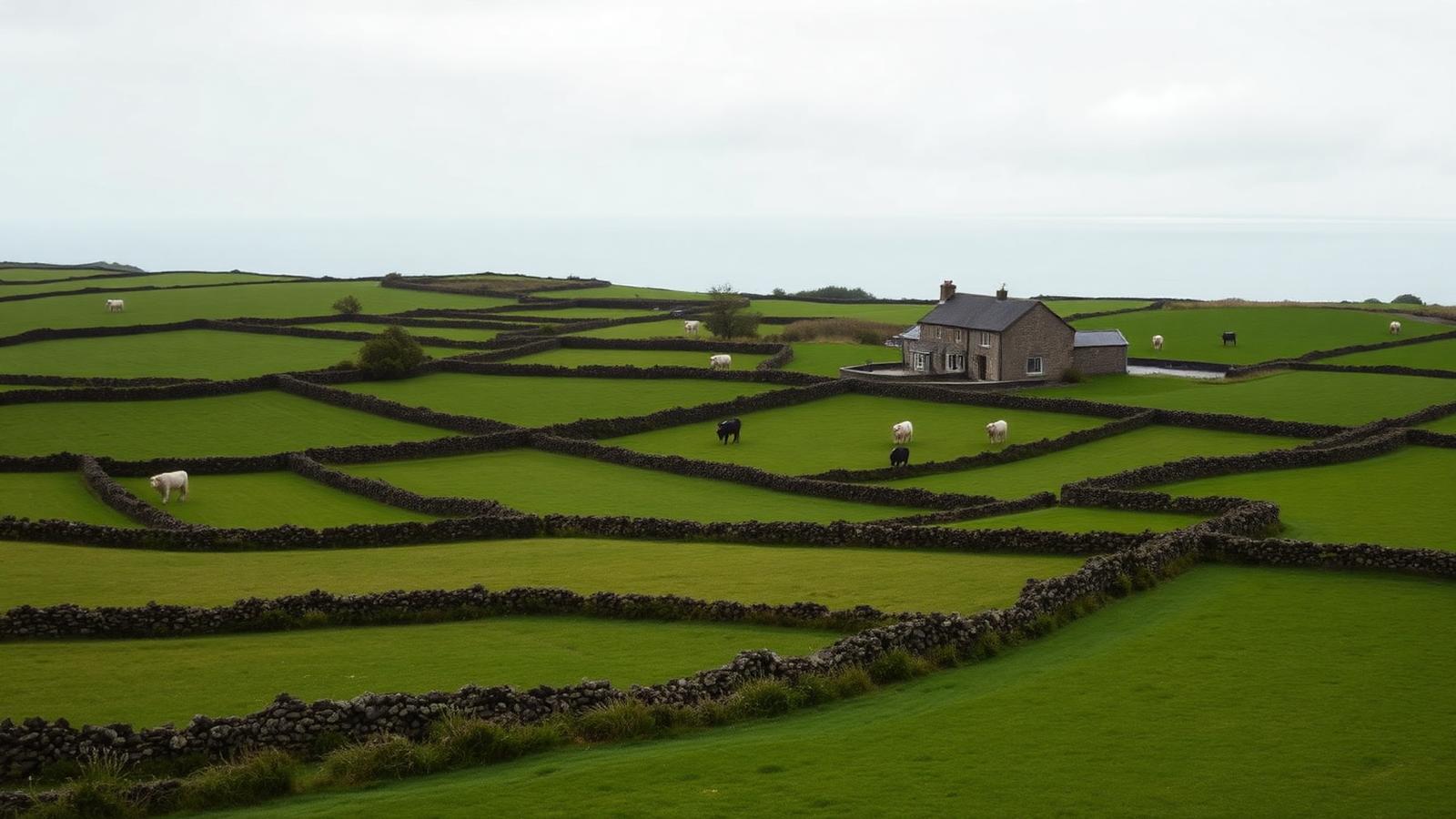
Cornish farmland divided by ancient stone hedges with grazing cattle and a granite farmhouse

Farming Cornwall

The land that feeds Cornwall

Agriculture isn't simply part of Cornwall's history. It remains a living industry supporting families, businesses, food production and rural communities.

c. 0

Agricultural holdings in Cornwall

DEFRA derived analysis

c. 0

Hectares of agricultural land, Cornwall and the Isles of Scilly

DEFRA derived analysis

approximately three quarters

Of the combined land area used for agriculture, depending upon dataset definition

What Cornwall farms

Dairy
Beef cattle
Sheep
Horticulture
Vegetables
Flowers
Mixed farming
Rural businesses

Cornwall Council Farms Estate

87
agricultural holdings
4,370.6
hectares
10,800
acres
41%
dairy farms
Cornwall Council

Tourism and hospitality

A visitor economy, but a living county

Visitors are an important part of Cornwall's economy, but Cornwall is first and foremost home to hundreds of thousands of people who live, work, raise families and build businesses here throughout the year.

0

Accommodation and food service jobs

17.0% of employee jobs

compared with 7.8% across Great Britain

ONS BRES, 2024

17 in every 100 Cornish workers

approximately 8 in every 100 nationally

Education and skills

Qualifications across Cornwall

Cornwall combines professional expertise with a particularly strong vocational, skilled trade and entrepreneurial workforce.

Level 4 and above43.6%
Level 3 and above67.6%
Level 2 and above90.7%
No qualifications3.8%
ONS Annual Population Survey, 2025 · working age residents

Economic challenges

The other side of the numbers

Cornwall's beauty and property wealth can hide significant economic pressures. The purpose of presenting these figures is to understand where better local support and opportunity can make a difference.

0

Working age economically inactive

0

Long term sick

0

Students

0

Retired within the working age measure

0

Family or home care

0

Workless households, approximately

0

Claimant count

July 2026

Challenges communities experience

Housing affordabilitySeasonal employmentLow incomesTransport accessRural isolationHealth inequalitiesLong term illnessAccess to services

Housing

A place to live, not just visit

Housing affordability is a particularly important Cornwall measure, and tenure has shifted notably over the last decade.

0.0%

Private renting

Census 2021

0.0%

Private renting

Census 2011

0.0%

Social renting

approximately, Census 2021

Cornwall's housing relationship

  • Local wages
  • House prices
  • Second homes
  • Holiday accommodation
  • Retirement migration
  • Limited housing supply

These factors sit alongside one another. Where causation is not established by the data, none is claimed here.

Behind every number is a Cornish story.

Cornwall is not simply a coastline, a holiday destination or a collection of statistics.

It is nearly 600,000 people.

It is thousands of independent businesses.

It is farmers, families, carers, tradespeople, engineers, shopkeepers, hospitality workers, entrepreneurs, creators and communities.

It is a county where almost nine out of ten businesses are microbusinesses and where self employment is substantially more common than across Britain as a whole.

Understanding Cornwall's people is the starting point for building stronger local businesses, stronger communities and a stronger economy.

Sources & methodology

Figures are drawn from the Office for National Statistics, Census 2021, Nomis, Cornwall Council, DEFRA and UK Government agricultural statistics. Reporting years differ between datasets and are shown beside each figure.

  • Population estimate 587,081 and working age 339,900: ONS, 2025, Cornwall and the Isles of Scilly.
  • Census population 570,305, median age 47, ethnicity, Cornish identity and tenure: Census 2021, Cornwall only.
  • Employment, self employment, qualifications and economic inactivity: ONS Annual Population Survey via Nomis, April 2025 to March 2026.
  • Employee jobs by sector: ONS Business Register and Employment Survey, 2024. Farm based agriculture is partly excluded.
  • Enterprise counts: UK Business Counts, 2025, Cornwall and the Isles of Scilly.
  • Agricultural holdings and land area: DEFRA derived analysis, Cornwall and the Isles of Scilly.
  • Council Farms Estate: Cornwall Council.
  • Claimant count: July 2026.

Where a dataset covers Cornwall and the Isles of Scilly rather than Cornwall alone, this is stated beside the figure. Approximate figures are shown as "approximately" or "c.". No statistic on this page has been estimated or manufactured to fill a gap.